Why Previous Rounds Cannot Determine The Next Deal
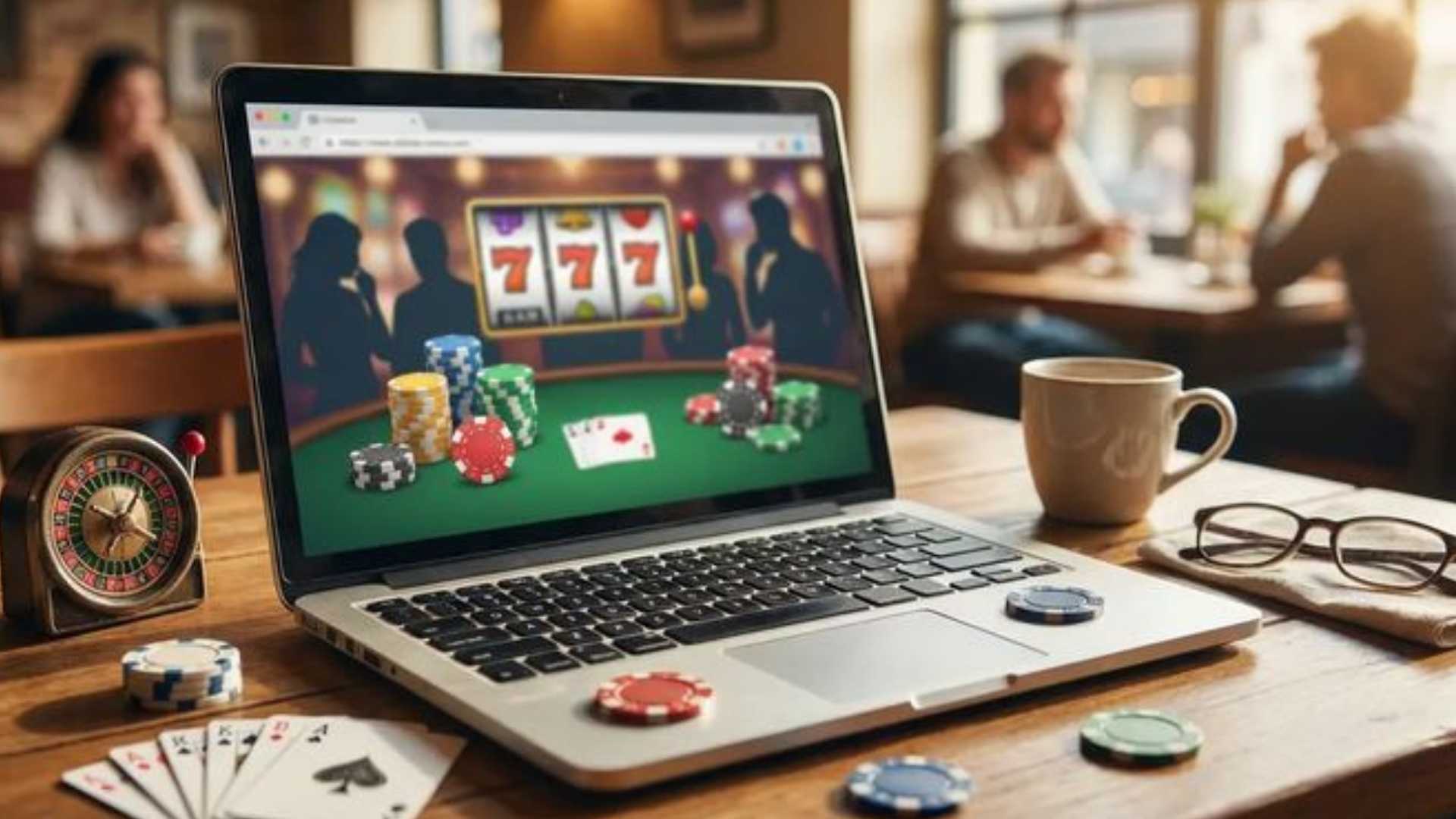
The human brain is naturally wired to search for patterns and connections in almost every environment, including the outcomes of randomized table games. When a specific result occurs multiple times in a row, observers frequently assume that a counterbalancing shift must take place during the subsequent sequence. However, traditional card distributions and random number generators operate on strict mathematical principles that separate past events from future results.
The Fallacy of the Maturity of Chances
The psychological inclination to link independent occurrences is commonly known as the gambler's fallacy or the illusion of the maturity of chances. This cognitive bias leads individuals to believe that if an event happens more frequently than usual during the past, it is less likely to happen in the future. In reality, each round at a properly regulated table begins with an entirely blank slate that remains unaffected by prior historical data.
For instance, a coin tossed ten times that lands on heads every single time still maintains an exact fifty-percent probability on the eleventh attempt. The physical coin possesses no memory of its historical trajectory, and the mechanical forces governing the next flip remain identical. The same operational logic dictates the behavior of automated card shuffling systems and digital software interfaces across modern entertainment platforms.
Understanding Independent Mathematical Events
In classical probability theory, two events are considered independent if the occurrence of one does not change the probability of the other. Most standard casino table games are built intentionally around these distinct, separate trials to ensure absolute fairness and unpredictable gameplay. Because the structural rules do not carry information across the boundary of a single round, tracking old streaks provides zero analytical advantage.
Enthusiasts looking to test their tactical awareness on modern digital platforms can utilize an authentic m88 link to access securely hosted traditional tables. These platforms employ rigorous cryptographic algorithms to guarantee that every single transaction and card deal remains fully separated from the rounds completed beforehand. Recognizing this mathematical independence allows participants to manage their capital based on real-time probabilities rather than historical illusions.
The Practical Reality of Shuffled Card Decks
When table games utilize manual shoe systems containing multiple decks of cards, a slight mathematical dependency can exist if the cards are not mixed after every deal. However, modern casino operations successfully eliminate this variable by implementing continuous shuffling machines or resetting the shoe long before the final cutting card appears. These procedural guidelines effectively neutralize any potential predictive patterns that card counters historically tried to exploit.
Without a structural mechanism to carry the influence of the prior round forward, the next deal remains a completely isolated mathematical event. Attempting to build an elaborate strategy around historical win-loss columns often distracts from proper risk mitigation and structural table awareness. True expertise develops when an individual acknowledges that unpredictability is the core foundation of a fair gaming environment.
Building Better Strategic Foundations
Shifting your analytical focus away from past trends allows you to establish a much more sustainable and logical approach to table analysis. Instead of chasing fictional balancing acts, experienced players prioritize rigid bankroll management parameters and solid understanding of fixed house margins. This practical mindset ensures that temporary operational streaks do not dictate your financial choices during a session.
Ultimately, remembering that the past cannot influence the future protects participants from the cognitive traps that lead to emotional decision-making. Accepting the absolute randomness of the next deal transforms the experience into a structured exercise in mathematical discipline rather than a search for non-existent patterns. By embracing the reality of independent events, table enthusiasts can appreciate the true elegance of classic game mechanics.