How Reward Systems Shape The Way Players Experience Games
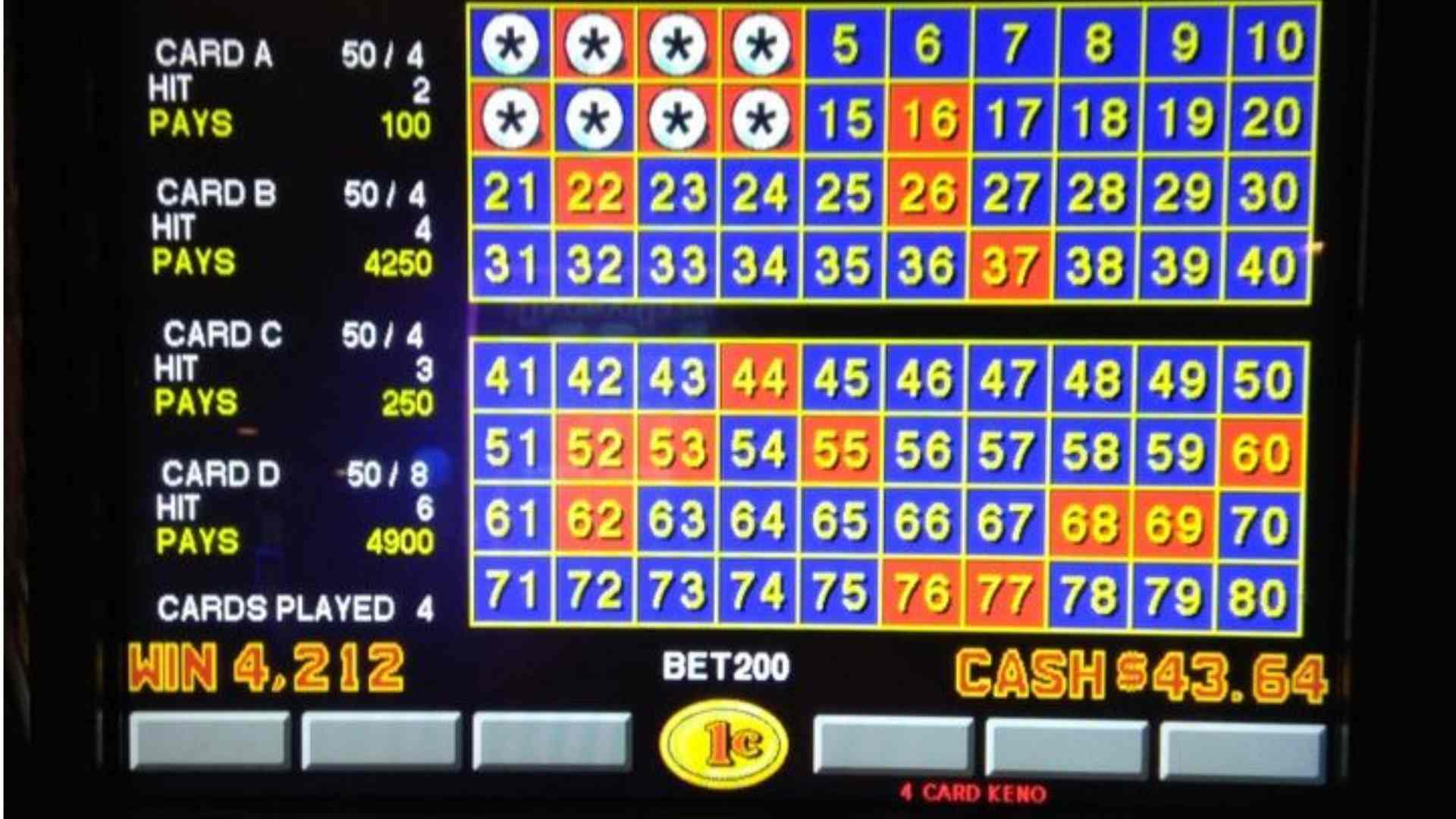
Reward systems have become a core element of modern video game design, fundamentally altering how players interact with digital environments. By providing immediate feedback and long-term targets, incentive structures encourage users to explore complex mechanics and return regularly. Understanding the psychological principles behind these rewards explains why contemporary titles hold player attention so effectively.
The Psychology of In-Game Motivation
Game developers utilize both intrinsic and extrinsic motivations to create satisfying gameplay loops. Intrinsic motivation stems from the natural enjoyment of solving a puzzle or mastering a difficult skill. Extrinsic rewards, such as virtual currency or cosmetic unlocks, provide external validation for a player's efforts.
When these two reward types are balanced properly, players feel a stronger sense of progression and personal achievement. However, over-relying on external incentives can sometimes diminish pure gameplay enjoyment. Striking the right balance ensures that tasks feel rewarding rather than tedious.
Transforming Casual Sessions into Routine Habits
Daily check-ins, time-limited quests, and streak bonuses are designed to foster habitual interaction with a game. By offering small, predictable perks, platforms encourage users to integrate brief play sessions into their daily schedules. This steady pacing prevents burnout while keeping the overall community active.
For many players, evaluating platform safety and reward reliability is essential before committing significant time to online gaming hubs. Reading an independent m88 review can offer helpful context regarding user experience and service performance. Transparent operations build essential trust between game creators and active players.
Diverse Incentive Structures Across Genres
Different genres implement reward mechanisms tailored specifically to their core target audiences. Role-playing titles often rely on skill trees and rare equipment drops to reward dedicated time investments. Conversely, casual puzzle titles utilize instant visual feedback and short-term multipliers to keep sessions engaging.
Competitive multiplayer games frequently feature seasonal battle passes and rank progression to incentivize long-term participation. These structures ensure that both casual participants and highly competitive players find goals matching their skill levels. Tailored rewards maintain high engagement across distinct player demographics.
The Evolution of Modern Progression Systems
As interactive entertainment continues to advance, reward systems are becoming increasingly dynamic and personalized. Modern algorithms can analyze play styles to offer targeted challenges that match an individual's specific preferences. This adaptive approach ensures that rewards remain relevant and exciting for every user.
Ultimately, well-designed reward systems transform video games from passive distractions into deeply engaging experiences. When progression feels fair, transparent, and meaningful, players are far more likely to stay invested for the long term. Future game design will undoubtedly continue refining these mechanics to elevate player satisfaction.