Dominoes Skills That Support Better Decisions
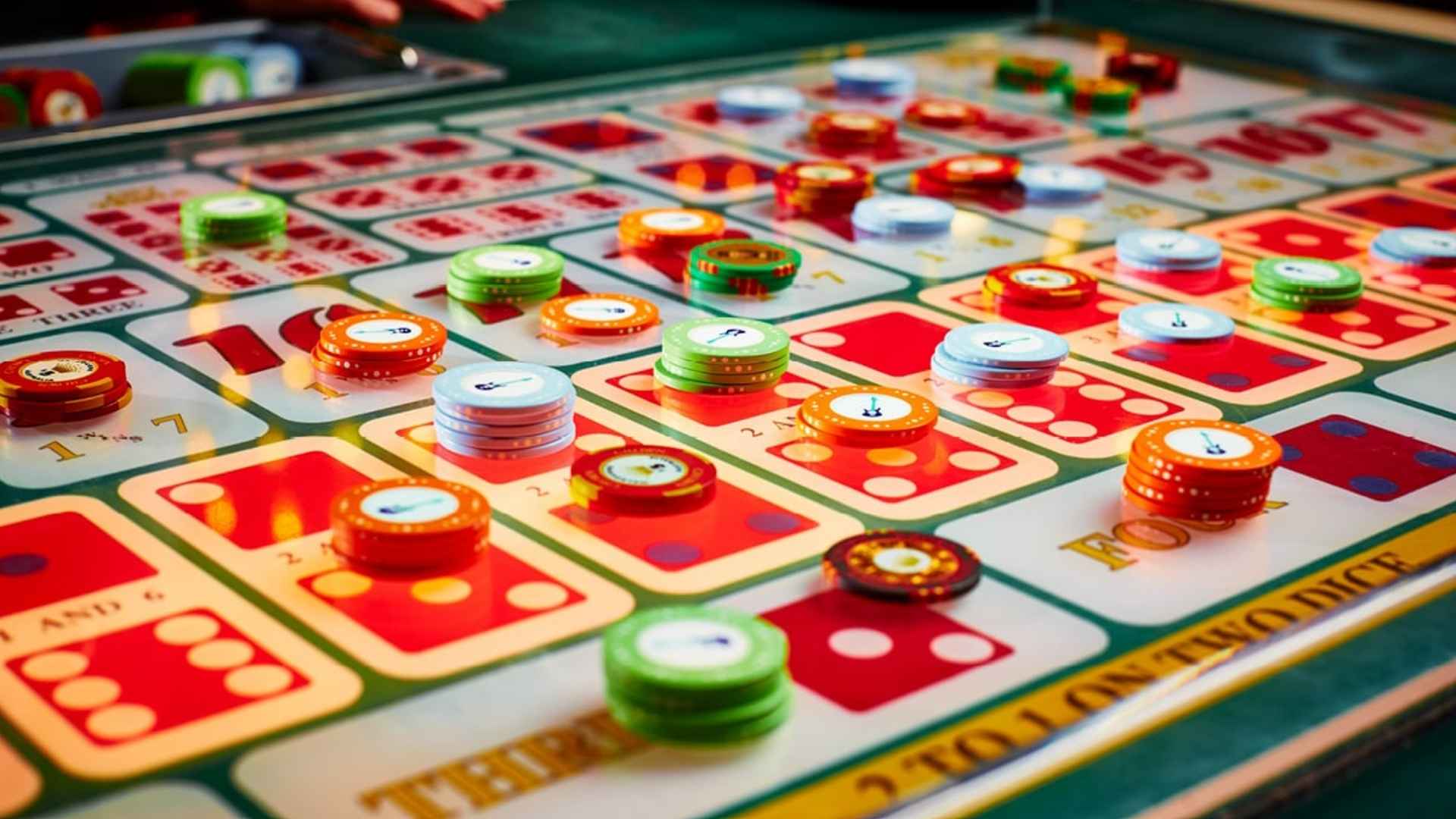
Dominoes is far more than a simple matching game; it is a profound exercise in risk assessment, planning, and mental agility. Developing the specialized cognitive skills required for this classic pastime directly translates to sharper decision-making in high-pressure scenarios. By mastering the fundamentals of observation and analysis, enthusiasts can elevate both their tabletop performance and their daily critical thinking capabilities.
The Art of Tracking and Probabilities
Experienced players understand that counting the tiles remaining in play is key to securing a strategic advantage on the board. This basic habit of observation allows you to calculate the exact probability of your opponent holding specific values. Cultivating this high level of mental alertness ensures that every move you make is backed by logical deduction rather than blind luck.
Developing a system to catalog played numbers helps narrow down the potential risks of any future play. This systematic approach mirrors the analytical processes used to solve complex real-world problems. Over time, practicing this style of memory retention builds a formidable capacity for quick, evidence-based reasoning under pressure.
Predictive Analysis and Opponent Reading
Successful gameplay relies heavily on your ability to anticipate how other participants will react to your moves. By observing which ends of the layout your opponents avoid, you can accurately deduce their weaknesses and resource limitations. This predictive skill allows you to proactively block their progress while keeping your own scoring pathways open.
To test these strategies in a different context, exploring digital hubs like m88 alternatif can expose you to dynamic competitive environments. Engaging with diverse online communities helps players adapt their predictive models to highly unpredictable playing styles. Ultimately, learning to anticipate countermoves is a highly transferable asset that supports balanced planning in professional and personal arenas.
Hand Management and Risk Mitigation
How you structure and release your tiles throughout a match determines your long-term viability in a round. Successfully managing a hand requires you to continuously balance high-scoring opportunities with defensive coverage. Prioritizing the removal of high-value tiles early on reduces your exposure to heavy penalties if the round suddenly blocks.
This careful balancing act teaches players how to calculate risk-to-reward ratios before committing resources to a single path. Making structured decisions about which tile to hold onto builds a disciplined mindset that avoids impulsive actions. Mastering these core habits ensures you remain resilient and adaptive regardless of the hands you are dealt.